Barnes Common rug cleaning and stain removal guide
If you live near Barnes Common, you already know how quickly a rug can go from looking calm and collected to a bit tired and blotchy. Mud from a wet walk, a splash of tea, a pet accident, or a mysterious mark that appeared overnight - they all happen. This Barnes Common rug cleaning and stain removal guide brings together the practical steps, the common mistakes, and the small judgement calls that make the difference between a fresh-looking rug and a damaged one.
The goal here is simple: help you clean smarter, not harder. Some stains can be handled at home with the right method. Others need more caution, especially on wool, silk blends, antique rugs, or anything with strong dyes. Truth be told, the wrong move can set a stain deeper or leave a patchy finish, so it is worth taking a moment before you reach for the nearest spray bottle.
In this guide, you will find a clear cleaning process, stain-specific advice, practical tools, and a realistic view of when a professional service is the safer option. If you want a broader home-care approach too, you may also find it useful to look at deep cleaning for whole-room upkeep or rug cleaning for more general rug care support.
Contents
- Why Barnes Common rug cleaning and stain removal guide matters
- How Barnes Common rug cleaning and stain removal guide works
- Key benefits and practical advantages
- Who this is for and when it makes sense
- Step-by-step guidance
- Expert tips for better results
- Common mistakes to avoid
- Tools, resources and recommendations
- Law, compliance, standards, or best practice
- Options, methods, or comparison table
- Case study or real-world example
- Practical checklist
- Conclusion
- Frequently asked questions
Why Barnes Common rug cleaning and stain removal guide Matters
Rugs do more than fill a room. They soften footsteps, reduce noise, and make a space feel lived-in rather than bare. Near Barnes Common, that often means they also deal with a lot of everyday wear: outdoor dirt, damp shoes, pet hair, and the occasional spill from family life or an evening with friends.
Rug cleaning matters because stains rarely stay polite. A fresh mark may look small at first, but once it dries, gets walked on, or is scrubbed aggressively, it can become harder to remove. Some stains also change colour over time. Tea may darken, grease can spread, and red wine can turn into a shadow that seems to reappear after every cleaning attempt. Frustrating, yes.
There is also the issue of fibre type. Wool behaves differently from synthetics. Natural fibres can shrink, felt, or bleed dye if over-wet. Delicate or handmade rugs need a gentler touch than a standard lounge rug. That is why a good stain removal guide is not just about cleaning tricks; it is about protecting the rug itself.
For many households, the real value is peace of mind. You do not want to guess your way through a stain when a careful approach can save time, money, and the rug's appearance. A thoughtful method also supports routine home care alongside services such as domestic cleaning or house cleaning when you are trying to keep the whole home feeling fresh.
How Barnes Common rug cleaning and stain removal guide Works
The basic principle is straightforward: identify the rug, identify the stain, and choose the least aggressive method that can still do the job. That sounds obvious, but in practice people often skip straight to scrubbing. And scrubbing is where things go sideways.
A sound cleaning method usually follows four stages:
- Assess the rug - check the label, construction, backing, and whether the colours look stable.
- Blot first - lift as much of the spill as possible without pushing it deeper.
- Choose the right cleaner - mild, fibre-safe, and suitable for the stain type.
- Dry properly - quick, even drying helps prevent odours, edges curling, and water marks.
For a Barnes Common home, weather can play a small role too. On damp days, rugs take longer to dry naturally. That matters because lingering moisture can create musty smells and leave the fibres looking dull. If a rug stays damp after cleaning, it is not "still working" - it is just staying wet. Slightly different thing.
Professionally, rug care often involves pre-inspection, fibre identification, spot treatment, controlled moisture, and post-clean grooming. You may not need all of that at home, but knowing the sequence helps you avoid doing too much too soon. A home method should be calm and measured, not a panic response with a sponge.
Key Benefits and Practical Advantages
Good rug cleaning does more than remove visible marks. It improves comfort, extends the life of the fibres, and helps a room look cared for. Those are the obvious benefits. The quieter ones matter too.
- Better appearance - colours look clearer and patterns read properly again.
- Reduced odours - especially useful after food spills, pets, or damp weather.
- Longer rug life - dirt acts like fine grit and can wear fibres down over time.
- Improved indoor feel - a clean rug makes the whole room feel fresher.
- Less stress over accidents - once you have a method, spills are less alarming.
There is also a practical financial side. Replacing a decent rug can be far more expensive than maintaining it properly. Even a fairly ordinary rug can be a big outlay once you factor in size, transport, and fitting into the room again. So yes, cleaning is maintenance, but it is also protection.
For households that already use one-off cleaning or schedule periodic cleaning company support, rug care fits neatly into the wider plan. It keeps the room from looking clean in every other way except the rug, which has a way of stealing the eye.
Who This Is For and When It Makes Sense
This guide is useful for a few very different people. The needs are not identical, which is important.
- Busy households - if spills happen often and you want a practical routine.
- Pet owners - for muddy paws, accidents, and lingering smells.
- Families with children - for food, drink, paint, and general chaos. Lovely chaos, mostly.
- Renters - especially when a rug must be presentable for move-out or inspections.
- Homeowners with heirloom rugs - where the risk of damage is higher.
- Anyone comparing DIY versus professional cleaning - useful if you are weighing effort against results.
It also makes sense when you are preparing for guests, trying to freshen a room after winter, or dealing with a rug that simply looks flat and grey around the edges. That dull border is common. It usually means soil build-up rather than a single stain, and it often responds better to careful whole-rug cleaning than spot treatment alone.
If your rug is sitting in a room that needs broader freshening, combining rug care with window cleaning or sofa cleaning can make the whole space feel newly put together. Small change, big effect.
Step-by-Step Guidance
Here is a practical process you can actually follow. Keep it calm. Rushing is what usually causes trouble.
1) Act quickly, but do not panic
As soon as a spill happens, blot the area with a clean white cloth or paper towel. Work from the outside of the mark inward. That helps prevent spreading. If the spill is thick, such as yoghurt, sauce, or mud, lift off the excess first with a spoon or dull edge before blotting.
2) Check the rug type
Look for care labels, backing material, and whether the rug is wool, synthetic, cotton, jute, or a blend. Wool and natural fibres often need gentler treatment. If the rug is handwoven, antique, or valuable, it is better to be cautious and test every cleaning solution first.
3) Test in a hidden spot
Before you apply any cleaner to the stain, test it somewhere discreet. A corner or underside is ideal. Wait for it to dry fully. If colour transfers, fibres roughen, or the backing reacts, stop there.
4) Use the least aggressive stain method
For water-based spills like tea, coffee, or juice, use a small amount of cool water with a mild cleaning solution. For grease, use a fibre-safe approach that lifts oil rather than spreading it. For pet accidents, focus on both stain removal and odour control. For mud, let it dry first, then vacuum and treat the residue.
5) Blot, do not scrub
This is worth repeating. Blot, do not scrub. Scrubbing frays fibres and can push colour deeper into the pile. A blotting action lifts residue while keeping the rug's texture intact.
6) Rinse lightly
After treatment, lightly rinse the area with a clean damp cloth to remove cleaner residue. Leftover product can attract dirt or leave a stiff patch once dry. Not ideal, obviously.
7) Dry carefully
Press dry towels into the area, then allow airflow. Open windows if the weather is kind, or use a fan on a low setting. Avoid heat guns and aggressive hairdryer settings. Overheating can distort fibres or set some stains.
8) Restore the pile
When the area is nearly dry, gently brush the fibres in the original direction if appropriate for the rug type. This helps the cleaned patch blend back in. It is a small step, but it makes a visible difference.
Expert summary: the safest home routine is usually: lift, blot, test, treat lightly, dry well, and inspect again the next day. If the stain is still there, don't keep piling on products. That way lies a sad little patch of over-cleaned rug.
Expert Tips for Better Results
A few habits separate decent results from messy ones.
- Work from the outside in so the stain does not bloom outward.
- Use white cloths to avoid colour transfer from towels or printed rags.
- Keep water use controlled - more is not better on rugs.
- Vacuum regularly to reduce embedded grit before it becomes wear.
- Treat fresh stains fast because set stains are always harder.
- Think fibre first - the same cleaner can be fine on one rug and risky on another.
A useful rule of thumb: if you are unsure, pause. That pause often saves a rug. People sometimes feel they need to "finish the job" immediately, but the better move is often to stop after the first safe step and reassess once the rug is dry.
Another little point that gets missed - rotate rugs every so often. Barnes homes often have one side of a room getting more light and traffic than the other. Rotation helps the wear pattern stay even and prevents one section from looking tired before the rest.
For larger cleaning projects, or if the rug sits in a room that has been renovated, you might also look at after builders cleaning to deal with fine dust that settles into fibres and makes everything feel dusty again two days later. Annoying, but common.
Common Mistakes to Avoid
Most rug damage from stain removal is avoidable. That is the slightly annoying truth. Here are the main slip-ups.
- Scrubbing hard - this distorts the pile and can spread the stain.
- Using too much product - residue attracts dirt and can create a sticky patch.
- Skipping the test patch - especially risky on dyed or natural rugs.
- Using hot water too soon - some stains, especially protein-based ones, can set with heat.
- Over-wetting the rug - this can affect backing, underlay, and drying time.
- Ignoring the backing and underside - marks can wick through and reappear.
- Leaving damp patches - these can smell musty or cause uneven texture.
A lot of people also assume a stain is gone because the top surface looks better. Then it reappears the next morning, like a stubborn guest who didn't get the message. That usually means the spill soaked deeper than expected. It needs a more careful second pass or professional attention.
Tools, Resources and Recommendations
You do not need a cupboard full of gadgets. A small, sensible kit is usually enough.
- White microfibre cloths or plain white towels
- Paper towels for first-response blotting
- A soft brush for dried soil or pile grooming
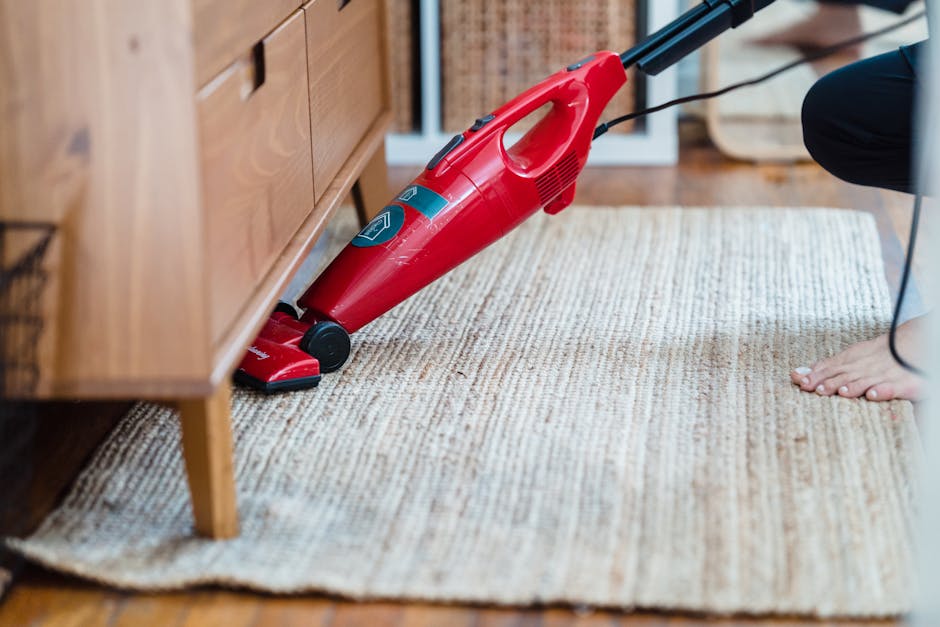
- A vacuum cleaner with a clean brush head
- A bowl for mixing mild cleaning solution
- Gloves if you are using stronger products
- Fans or safe airflow for drying
For cleaning choices, keep it simple. A mild, fibre-appropriate cleaner is usually better than a strong all-purpose spray. All-purpose products can be fine on some synthetic rugs, but they are not automatically safe for delicate fibres. The label matters. So does restraint.
If you are looking beyond the rug itself, a broader home refresh can sometimes be easier to manage in one visit. Services such as upholstery cleaning, sofa cleaning, and carpet cleaning can help the whole room feel consistent rather than half-clean, half-neglected. And yes, people do notice that.
Law, Compliance, Standards, or Best Practice
Rug cleaning is not usually a heavily regulated household activity, but best practice still matters. In the UK, it is sensible to follow product labels, use cleaning chemicals as directed, and avoid unsafe mixing of products. For example, mixing different household cleaners can create unpleasant fumes or unwanted reactions. Simple, boring advice - and very useful.
If you are hiring a cleaning provider, practical trust signals matter too. It is reasonable to look for clear pricing information, documented safety procedures, and transparent terms before booking. If you want to understand how a provider approaches those matters, pages such as health and safety policy, insurance and safety, and terms and conditions are the sort of things a careful customer checks. Not glamorous, but smart.
Data handling and payments also matter if you request a quote online. It is normal to expect straightforward privacy and payment information. You do not need legal jargon to make a sensible choice - just clear information, a fair process, and no surprises. If a company can explain what it does plainly, that is usually a good sign.
Options, Methods, or Comparison Table
Different rug problems call for different approaches. Here is a simple comparison to help you decide what makes sense.
| Method | Best for | Pros | Limits |
|---|---|---|---|
| Blotting and mild spot treatment | Fresh spills, light marks | Fast, cheap, low risk | May not fully remove deep or old stains |
| Targeted home cleaning | Moderate stains on stable fibres | More thorough than blotting alone | Needs testing and care, not ideal for delicate rugs |
| Professional rug cleaning | Delicate rugs, persistent stains, odours | Controlled method, better fibre protection | Higher cost than DIY |
| Full room refresh | Multiple surfaces showing dirt | Consistent finish across the space | Can be overkill if only one rug needs attention |
In many cases, the choice comes down to risk. If the rug is replaceable and the stain is minor, DIY may be enough. If the rug has sentimental or financial value, or if the stain is unusual, a careful professional approach is often the better call.
That is especially true after renovation dust, repeat pet accidents, or spills that have already been treated several times. Repeated DIY attempts can make things worse because each round of moisture and friction adds a bit more strain to the fibres.
Case Study or Real-World Example
A fairly typical Barnes Common scenario goes like this: a family rug in the living room picks up a muddy footprint after a wet afternoon walk. The mark looks dramatic at first - a dark smear on a lighter wool blend. Someone is tempted to scrub immediately. They don't, thankfully.
Instead, they let the mud dry, vacuum the loose dirt, then dab the remaining mark with a lightly damp white cloth and a mild cleaner tested in a corner first. The stain lifts enough that the rug looks normal again from standing height, though a faint shadow remains when inspected closely. Rather than keep saturating it, they allow it to dry fully, then assess whether a second treatment is needed the following day.
That approach works because it respects the rug's structure. It also avoids pushing soil deeper into the pile. Nothing magical happened. Just a bit of patience and a sensible sequence. The result was not perfect perfection - real life rarely is - but it was clean, safe, and good enough that nobody noticed once the cushions were straight and the kettle was on.
Practical Checklist
Use this quick checklist before and during stain removal:
- Identify the rug fibre and check for care instructions.
- Test any cleaner in a hidden spot.
- Blot fresh spills immediately.
- Remove solids before applying liquid.
- Use the smallest amount of cleaner needed.
- Avoid scrubbing and harsh heat.
- Rinse lightly if product residue remains.
- Dry the rug thoroughly and evenly.
- Check again after full drying for wicking or residue.
- Call a professional if the rug is delicate, valuable, or still marked.
Quick reminder: if the stain is unknown - maybe ink, dye transfer, paint, or something greasy - treat it as a higher-risk spill until proven otherwise.
Conclusion
A well-handled rug can lift a room quietly and make the whole home feel better. A badly handled stain, on the other hand, can hang around like a small daily irritation. The good news is that most rug care problems are manageable with a careful process, the right expectations, and a bit of restraint.
This Barnes Common rug cleaning and stain removal guide is really about making safer decisions: what to blot, what to test, what to leave alone, and when to stop. If you keep those basics in mind, you will protect both the appearance and the lifespan of your rug. And that is the bit that matters, honestly.
If you are comparing support options or thinking about professional help for a stubborn stain, take your time and check the details properly. A clean rug is nice. A clean rug that still feels soft, even, and intact is better.
Get a free quote today and see how much you can save.
Frequently Asked Questions
What is the safest way to clean a rug stain at home?
The safest approach is to blot first, test any cleaner in a hidden area, use a small amount of fibre-safe solution, and dry the rug thoroughly. Avoid scrubbing, because that usually makes the problem worse.
Can I use hot water on a rug stain?
Not as a default. Hot water can help with some soil, but it can also set certain stains, especially protein-based ones. Cool or lukewarm water is often the safer starting point.
How do I remove tea or coffee from a rug?
Blot up as much as possible, then treat the area with a mild solution and clean cloths. Work slowly and rinse lightly. If the stain has dried for a while, you may need a second pass once the area is fully dry.
Why does a stain come back after cleaning?
That is usually wicking. Moisture and residue from deeper in the fibres rise to the surface as the rug dries. It often means the spill went deeper than the top layer and needs more careful treatment.
Are wool rugs harder to clean?
They are not impossible, but they do need more care. Wool can react badly to excess water, strong chemicals, and rough scrubbing. Gentle methods and proper drying are especially important.
What should I do with a mud stain?
Let it dry first, then vacuum the loose dirt. After that, gently treat any remaining mark with a lightly damp cloth and suitable cleaner. Cleaning wet mud too aggressively usually spreads it around.
Can I use washing-up liquid on my rug?
Sometimes a very mild diluted solution may work on certain synthetic rugs, but it is not universally safe. Test first, and avoid overusing it because residue can attract more dirt later.
How often should a rug be professionally cleaned?
That depends on foot traffic, pets, children, and the rug type. Many people book professional cleaning when the rug looks dull, has stubborn stains, or needs a deeper refresh than home care can provide.
What is the difference between spot cleaning and full rug cleaning?
Spot cleaning targets one mark. Full rug cleaning treats the whole piece so the colour and texture stay more even. If only one stain is treated, the cleaned area can sometimes stand out.
When should I stop trying to remove a stain myself?
Stop if the rug is delicate, the stain is unknown, colour starts transferring, the backing gets wet, or repeated attempts are not helping. At that point, further DIY work can increase the damage.
Can rug cleaning help with smells as well as stains?
Yes, often it can. Odours from spills, pets, or dampness may reduce significantly with proper cleaning and drying. Very deep odours, though, can need a more thorough treatment.
Is it worth cleaning an old rug, or should I replace it?
If the rug has structural damage, severe dye loss, or widespread wear, replacement may make more sense. But if the issue is mainly stains, grime, or dullness, cleaning can be well worth it. It really depends on the rug's condition and value.
Sometimes the most sensible care is the simplest: a steady hand, the right method, and a bit of patience. That is usually enough to keep a beloved rug looking like it belongs in the room, not in a repair pile.